

What Makes Lebanese Food Different?
Walk into any Middle Eastern restaurant and you’ll see familiar names on the menu — hummus, falafel, shawarma, baklava. But ask ten people what makes Lebanese food Scottsdale specifically different from, say, Turkish, Persian, or Greek cooking, and most will struggle to answer. The truth is, Lebanese cuisine has its own identity — one built on freshness, balance, and the ritual of sharing a table.
Here’s what sets it apart.
1. It’s Built Around Mezze, Not a Main Course
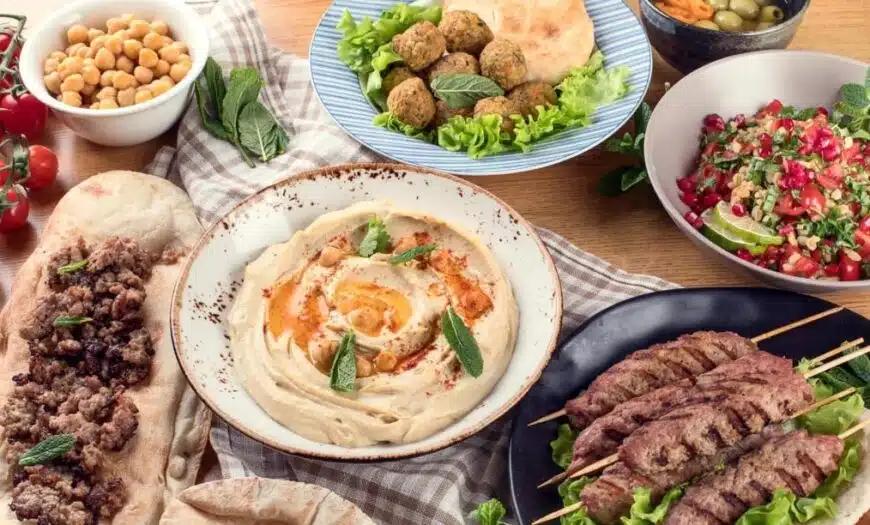
In Lebanese dining culture, the meal often is the mezze — a spread of small plates meant to be shared, not a single entrée flanked by sides. A proper Lebanese table might include hummus, baba ghanoush, tabbouleh, warak enab (stuffed grape leaves), and fattoush, all arriving at once so the table can graze, compare bites, and linger over conversation. It’s less “appetizer, then dinner” and more a long, social unfolding of flavors.
Check Our middle eastern catering to know the latest plates.
2. Herbs Do the Heavy Lifting, Not Heavy Spice Blends
Where some regional cuisines lean on warm, complex spice mixtures, Lebanese cooking leans on fresh herbs — parsley, mint, and za’atar in particular — paired with lemon, garlic, and high-quality olive oil. Tabbouleh, for example, is mostly finely chopped parsley with just enough bulgur to hold it together, brightened with lemon juice. The result is food that tastes vivid and clean rather than heavy.
3. Char-Grilling Over Charcoal Is Central
Grilled meats — chicken tawook , kafta, lamb and beef skewers — are marinated for hours, often in garlic, lemon, and yogurt, then cooked over an open flame. That direct char is a signature of Lebanese cooking, giving the meat a smoky edge that pairs perfectly with garlic sauce (toum) or a simple squeeze of lemon.
4. Bread Is a Utensil, Not a Side
Warm pita isn’t an afterthought in Lebanese cuisine — it’s how you eat. Scooping hummus, wrapping grilled meat, or mopping up the last of a dip is part of the experience, which is part of why fresh, properly made bread matters so much to an authentic Lebanese meal.
5. The Vegetarian Dishes Are Never an Afterthought
Because so much of Lebanese cooking centers on vegetables, legumes, and olive oil, it’s one of the most naturally vegetarian- and vegan-friendly cuisines in the world — long before “plant-based” became a marketing term. Dishes like mujadara (lentils and rice), fattoush, and stuffed grape leaves are staples in their own right, not substitutions.
Tasting It for Yourself Lebanese food Scottsdale
De Babel brings these Lebanese flavors into a broader Mediterranean and Middle Eastern menu — think hand-stretched pita, fresh-made hummus, chicken tawook marinated and grilled to order, and tabbouleh made the traditional, herb-forward way. It’s family-owned, halal, and cooked from scratch daily, with vegan and vegetarian options built into the menu rather than tacked on.
If you’ve been curious about Lebanese food but didn’t know where to start, a mezze spread is the move: order two or three small plates to share, add a grilled platter for the table, and let the meal unfold the way it’s meant to.